Upper Mustang 4,200m

Upper Mustang Trek

13 days

Trek Details

The Upper Mustang Trek is a fantastic journey through a remote and culturally rich region of Nepal. Located in the Trans-Himalayan area, the Upper Mustang is often referred to as "the Last Forbidden Kingdom" due to its historical isolation from the outside world until 1992, when it was finally opened to foreign trekkers. The region has a unique blend of Tibetan culture, ancient monasteries, and beautiful landscapes, including arid desert-like terrain with stunning mountain views.

Here's an outline of what to expect on the trek:

1. The Route:

The trek typically starts from Jomsom, which can be reached by flight from Pokhara or by trekking from Beni. From there, you will head north through the villages of Kagbeni, Chele, Sama, and Lo Manthang, the capital of Upper Mustang.

The trek involves days of walking through narrow canyons, ancient caves, and cliffside villages, often surrounded by impressive mountain peaks.

2. Culture and History:

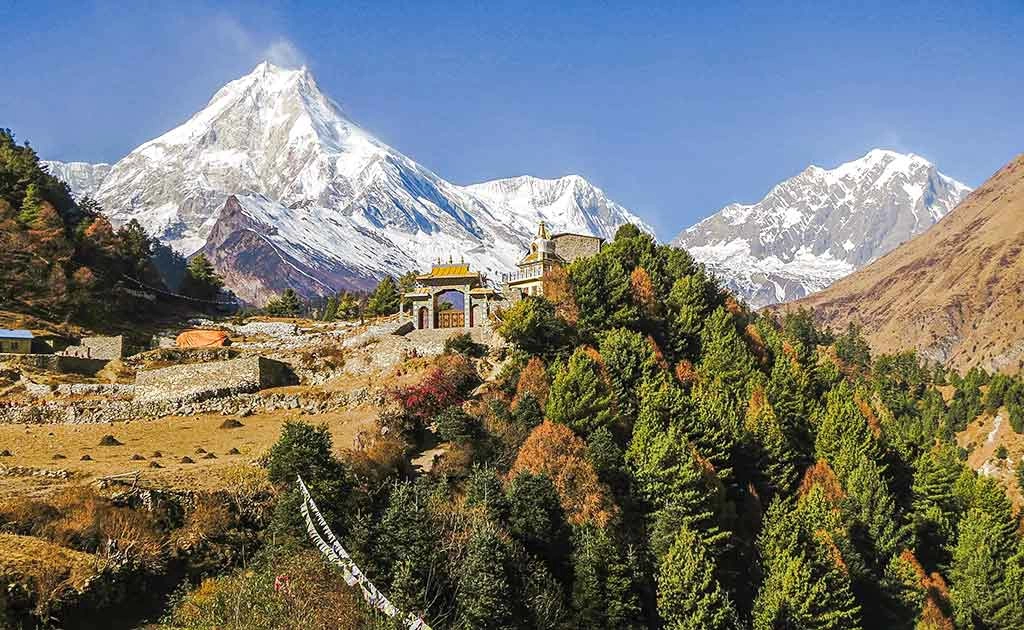
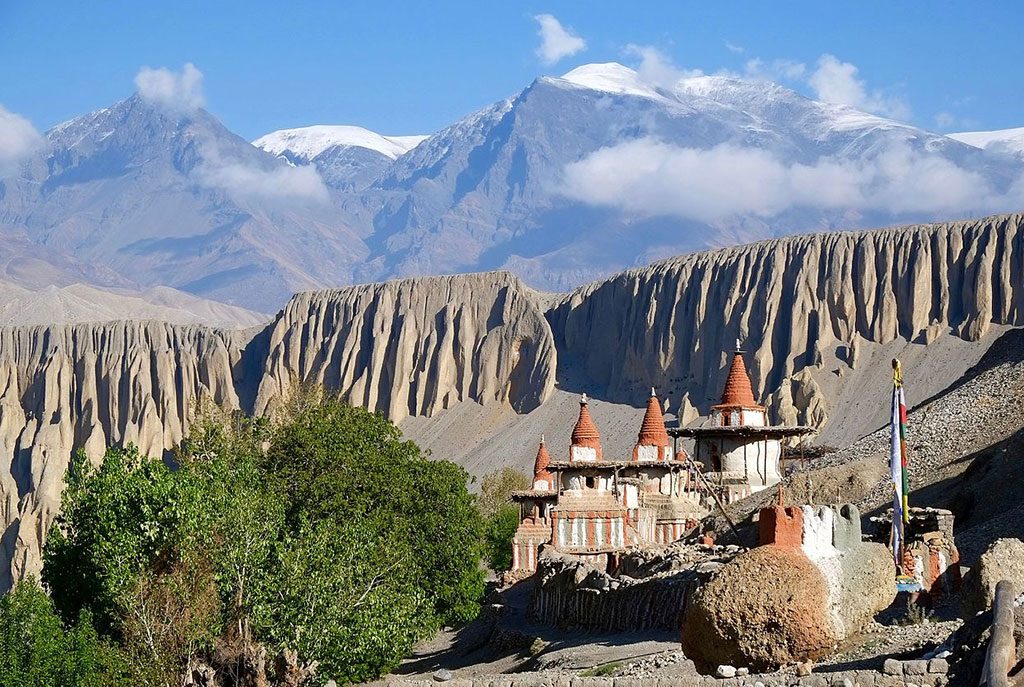
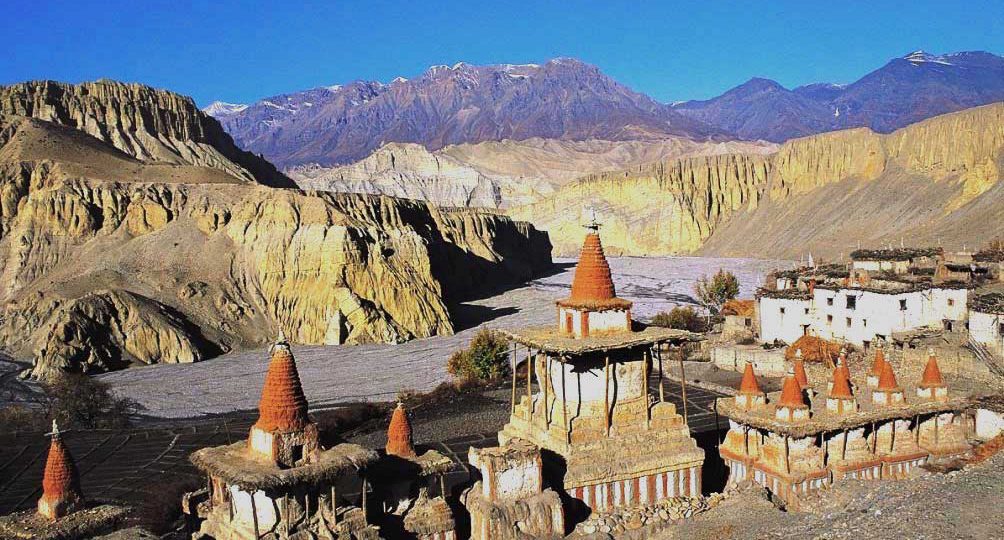
Upper Mustang has a deep-rooted Tibetan Buddhist culture. The area is dotted with monasteries, chortens (stupas), and prayer flags, and you'll likely get to visit places like Lo Manthang's Chhode Monastery and the King's Palace.

The people in the region are mainly of Tibetan descent, and you’ll experience their unique way of life, with customs and traditions that have remained largely unchanged for centuries.

3. Trekking Difficulty:

The trek is moderate to difficult. While it doesn’t have the extreme altitudes of some other treks in Nepal, it still involves walking at elevations between 2,800m (9,186ft) and 4,500m (14,764ft), which can present challenges due to altitude.

The trail is relatively dry and can be windy, particularly in the afternoons, so proper clothing and gear are important.

4. Permits and Regulations:

Since Upper Mustang was once a restricted area, trekkers must obtain a special Upper Mustang Permit (which is different from regular trekking permits) and also the Annapurna Conservation Area Permit (ACAP). These permits can only be obtained through a registered trekking agency in Nepal.

5. Best Time to Trek:

The best seasons to visit Upper Mustang are spring (March to May) and autumn (September to November). These seasons offer good weather and clearer views, with the trekking routes not being too crowded.

6. Landscape:

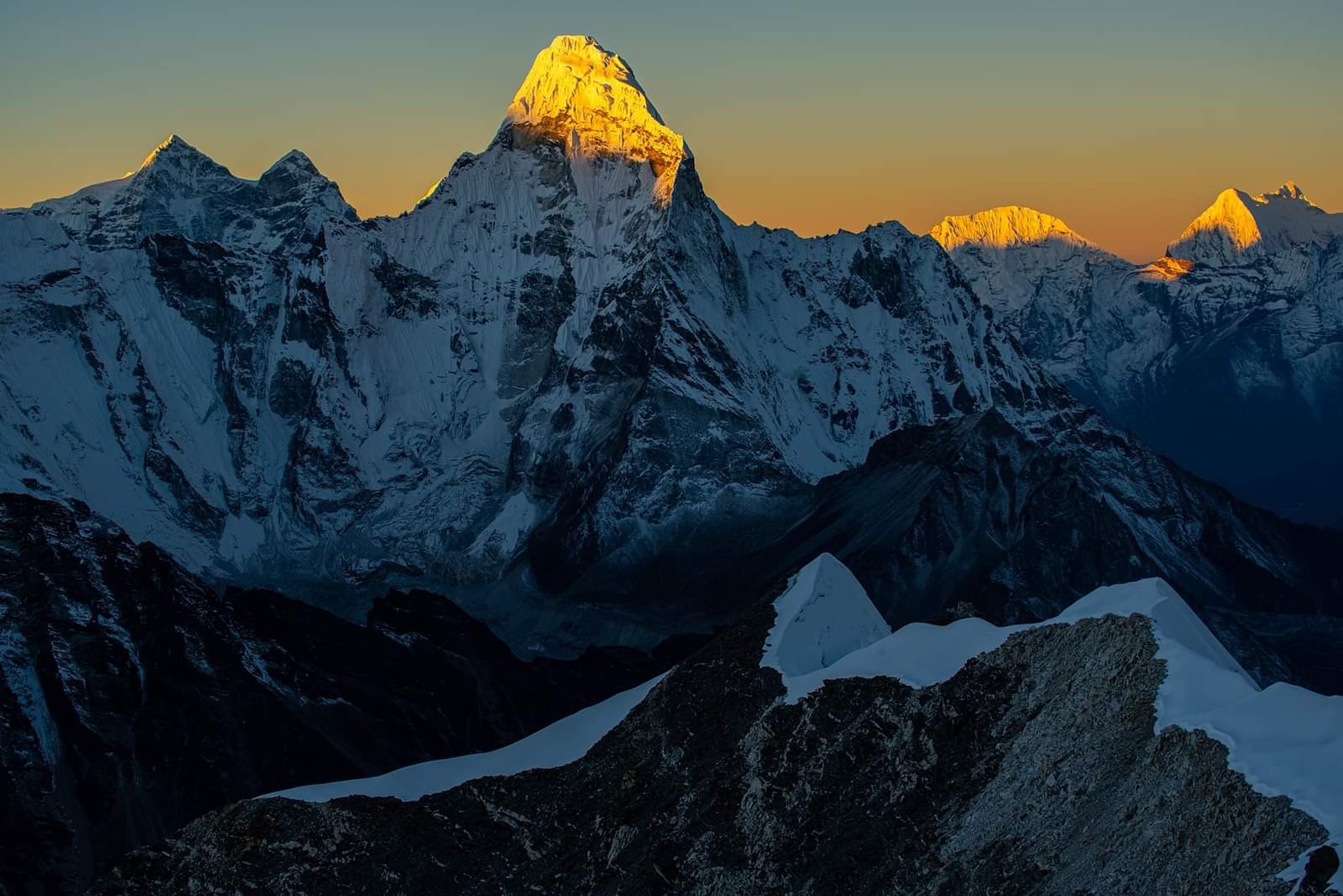
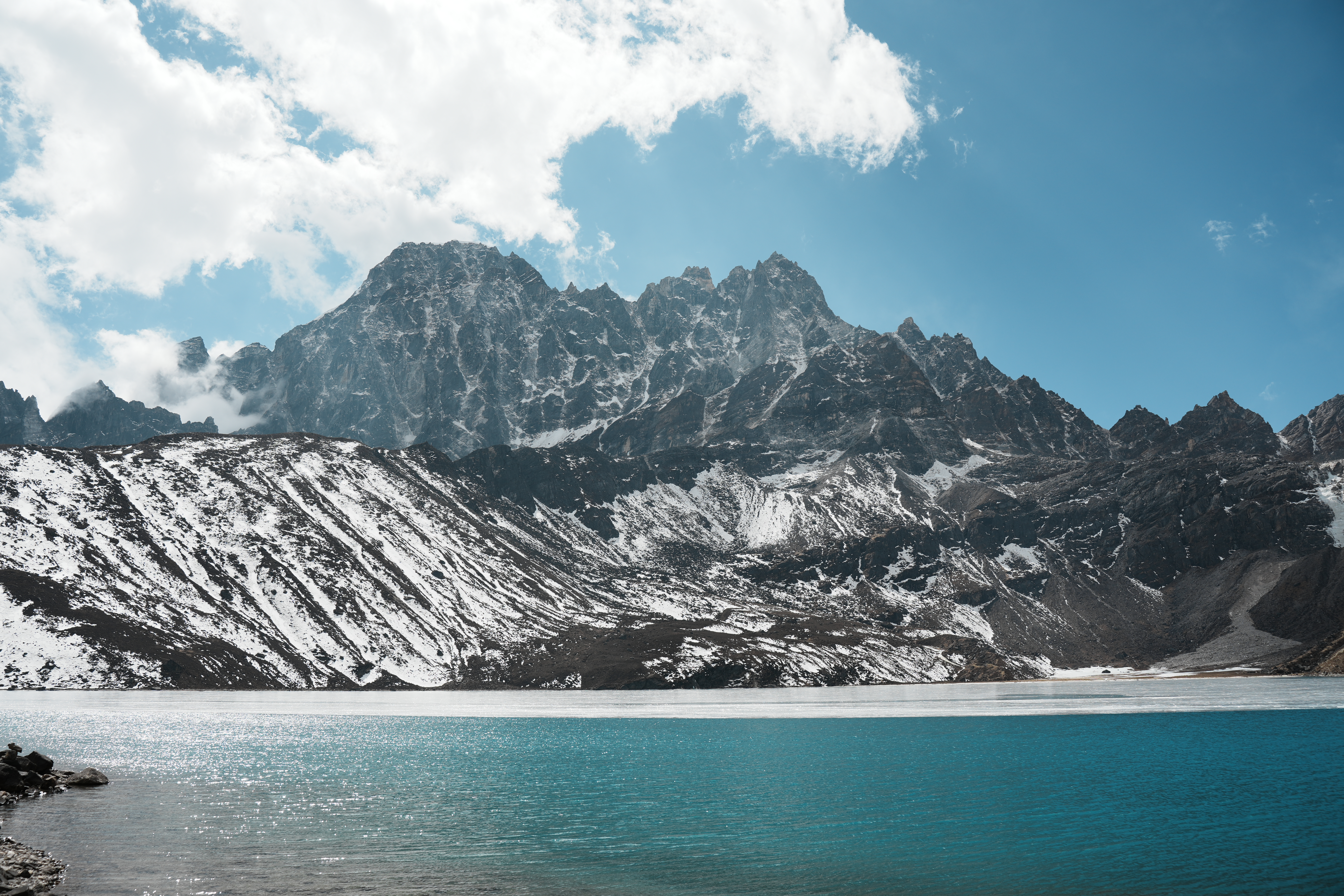
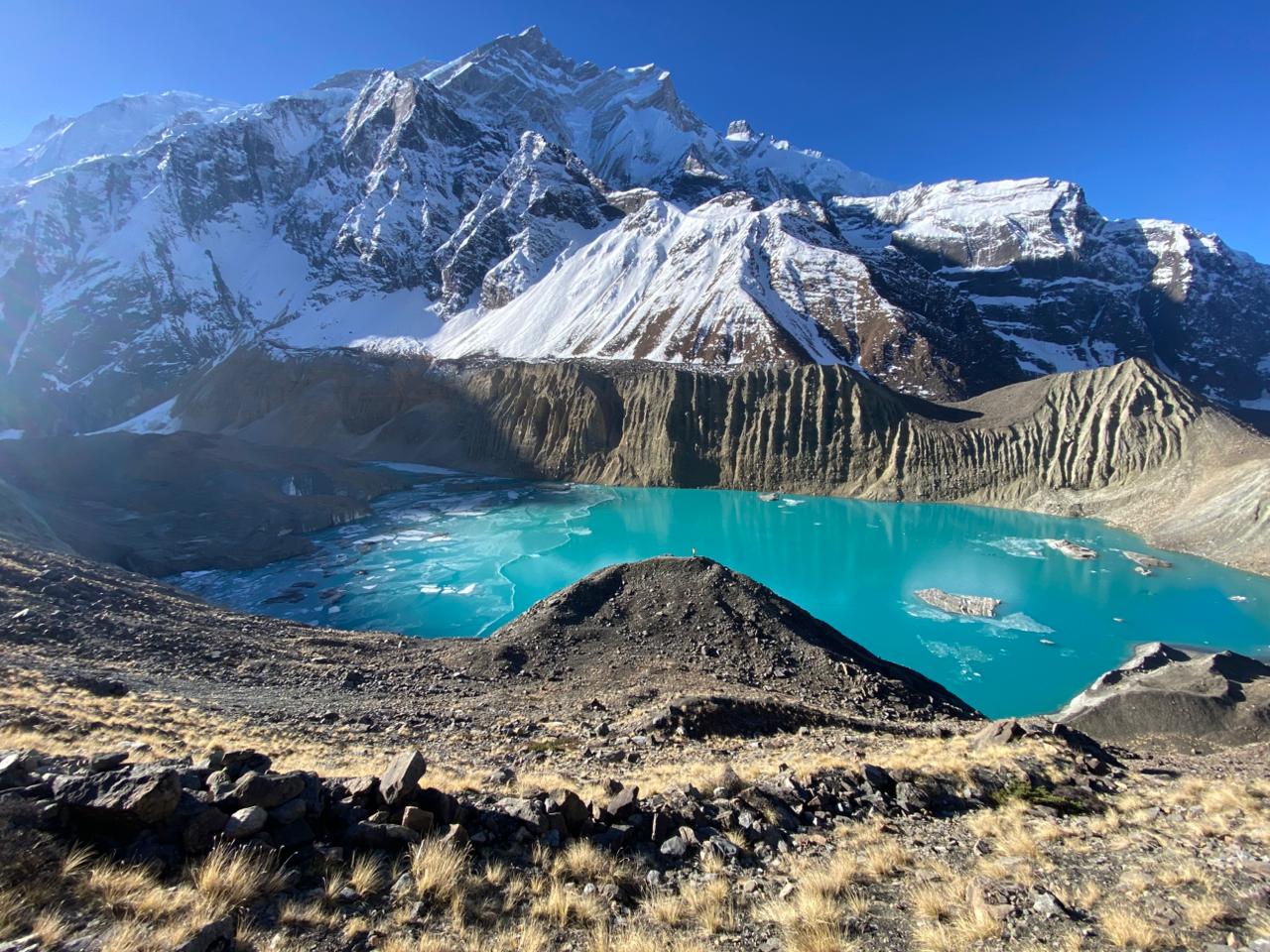
The landscape is a dramatic mix of desert-like conditions and alpine beauty, with stark cliffs, deep valleys, and unique rock formations. It's a great place for photography, especially at sunrise and sunset when the mountains and surrounding landscape glow.


Key Highlights:

  • Lo Manthang: The ancient capital with monasteries, palace, and rich history. 

  • Tiji Festival: A vibrant Buddhist festival held in spring (if your trek coincides). 

  • Cliff caves and monasteries: Evidence of centuries of habitation and culture.

  • ibetan culture: Prayer flags, chortens, and traditional lifestyles throughout the region.

  • Unique landscapes: Rain-shadow desert terrain unlike other Nepal treks. 

Best Time For Trekking:

  • Spring (March–June): Wildflowers, clear weather; great for Tiji Festival. 

  • Monsoon (June–Early September): Usually dry and good views — unique time when other regions are wet. 

  • Autumn (September–November): Most stable weather and popular season.

  • Winter (Dec–Feb): Very cold; fewer services available.

Important Tips: 

  •  Respect local Tibetan-Buddhist culture and traditions.

  • Flights can be delayed due to mountain weather — plan buffer days

  • Carry cash — no ATMs en route.

  • Book through a registered trekking agency (permits & guide are mandatory)

  • Allow extra buffer days for flight/weather delays.


Contact us for your customized itinerary and more details.


Basic Information
Destination
Upper Mustang 4,200m
Included
    • All airport pick up & drop off by private vehicle.
    • Hotel in Kathmandu 2 night (Three star level)  with BB.
    • Hotel in Pokhara (Three star level) with BB.
    • Meals, during the trek (Breakfast, Lunch, Dinner) cup of hot tea/coffee and give some fruit after dinner.  
    •  Duffel bag, durung the trek. carrying for the porter.
    • Domestic Airfair Ticktes
    • An experienced government license holder guide from Kathmandu to Kathmandu.
    • Special Mustang Permit (USD 500)
    • Annapurna Conservation Area Project Permit (ACAP)
    • Seasonal fruits during the trek.
    • Achievement Certifications  After complete the trekking. 
    • Company's T-shirt and map
    • Emergency Medical kit bag.
    • Complimentary farewell dinner.
    • All local government tax.
Not Included


    • Nepalese visa fee.
    • Travel insurance.
    •  City meals, Lunch & Dinner.
    •  Personal expenses. 
    • Travel and Health Insurances. 
    • Tips for trekking & Portes.


Trek Plans

  • Day 1 Arrival Day at Kathmandu (1345m)

    Arrive in Kathmandu, Nepal's capital. Our company staff will pick up you from Airport to your hotel, Depending on your arrival time,  later you may want to explore the city near you staying place. Overnight at Hotel in Kathamndu. 

  • Day 2 Fly to Pokhara (900m)

    Fly from Kathmandu to Pokhara (about 25 minutes).

    Spend the rest of the day relaxing and exploring Pokhara—boating on Phewa Lake or visiting the World Peace Pagoda.

    Overnight in Pokhara.

  • Day 3 Pokhara - Jomsom - Kagbeni (2,800m)

    Early morning fly from Pokhara to Jomsom (approximately 20 minutes). Jomsom is the starting point for your trek.

    Once in Jomsom, you’ll begin your trek to Kagbeni (2,800m). It’s a 3-4 hour trek and a nice introduction to the region. 

    Overnight in Kagbeni, a village that has strong Tibetan influences.

  • Day 4 Kagbeni to Chele (3050m)

    From Kagbeni, trek to Chele (3,050m), a day-long trek of 5-6 hours.

    The trail follows the Kali Gandaki River and gradually climbs through dry landscapes.

    Overnight in Chele.

  • Day 5 Chele to Sama (3,800m)

    Today you will walk total 6-7 hours.
    Along the way, you’ll pass through beautiful villages with traditional mud-brick houses and Tibetan-style architecture.

    Overnight in Sama.

  • Day 6 Sama to Lo Manthang (3,800m)

    Trek from Sama to Lo Manthang (3,800m), the capital of Upper Mustang, which takes about 5-6 hours.

    The landscape starts to feel more rugged and barren as you approach Lo Manthang, with its walled city and towering monastery.

    Overnight in Lo Manthang.

  • Day 7 Explore Lo Manthang

    Day of exploration in Lo Manthang. Visit the King’s Palace, the Chhode Monastery, and Tashi Lhakhang Monastery.

    Lo Manthang is also a great place to witness Tibetan Buddhist ceremonies and the culture of the local people.

    You can also take a short hike to nearby viewpoints or villages.

    Overnight in Lo Manthang.

  • Day 8 Lo Manthang to Dhakmar (3,810m)

    Trek from Lo Manthang to Dhakmar (3,820m), a village known for its dramatic landscape.

    The trek today is a bit more challenging (6-7 hours) as you retrace some of the route but take a detour to explore other villages.

    Overnight in Dhakmar.

  • Day 9 Dhakmar to Kagbeni (2,800m)

    Trek from Dhakmar to Kagbeni (3,000m) again, covering a distance of 6-7 hours.

    The route provides more opportunities for scenic views and Tibetan culture along the way.

    Overnight in Kagbeni.

  • Day 10 Kagbeni to Jomsom (2,700m)

    Trek from Kagbeni back to Jomsom (2,720m), which takes around 4-5 hours.

    Enjoy the final stretch through the Kali Gandaki River valley.

    Overnight in Jomsom.

  • Day 11 Fly back to Pokhara (900m)

    Fly from Jomsom to Pokhara.

    Once in Pokhara, enjoy the rest of your day relaxing or exploring more of the city.

    Overnight in Pokhara.

  • Day 12 Return to Kathmandu

    Fly from Pokhara back to Kathmandu.

    Spend your last day in Kathmandu shopping for souvenirs, visiting temples, or reflecting on your trek.

    Overnight in Kathmandu.

  • Day 13 Departure Day

    Departure from Kathmandu or extend your stay if you wish.

Add A Review

Similar Activities Like This